examining how ethical manufacturing, sustainability, and style are being reshaped by conscientious consumers in the global fashion industry.
Why Today’s Eco-Conscious Fashion Is Important
The Waste Crisis
An alarming 40 million tonnes of textile waste are produced by the fashion industry each year, posing a serious environmental threat that needs to be addressed right once.
Change in Consumers
In 2025, around 80% of customers said they would be willing to spend extra on sustainable items, indicating a significant shift in their priorities.
Transformation of Industry
Global fashion design, production, and marketing are being drastically altered by eco-aware consumers.
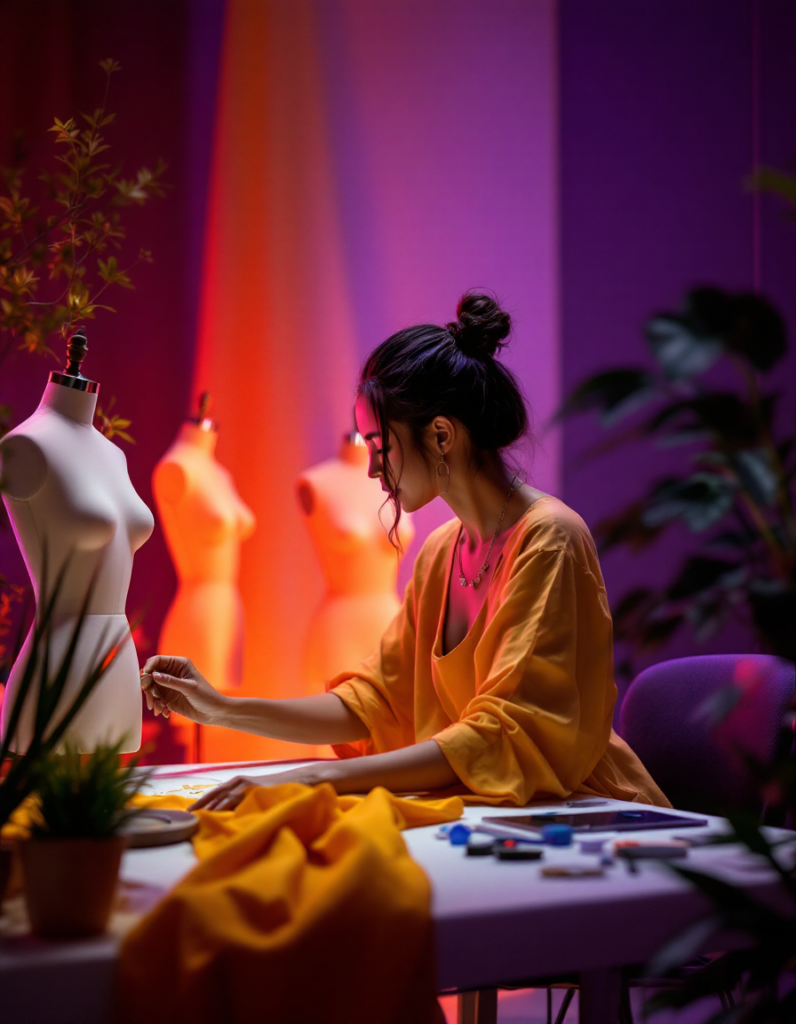
Closing the Loop: The Emergence of Circular Fashion
Circular fashion: what is it?
Through smart repair, creative resale platforms, and extensive recycling programs, circular fashion is a novel technique that maintains clothing in constant use.
The conventional linear “take-make-dispose” strategy that has dominated the sector for decades is fundamentally challenged by this model.
Leadership in Brands
Pioneers like MUD Jeans’ creative Lease A Jeans concept and Patagonia’s Worn Wear effectively maintain up to 95% of their products in active circulation.
The Rental Revolution
Platforms for renting clothes enable customers to try out new looks without making a purchase, significantly cutting waste while preserving fashion diversity.
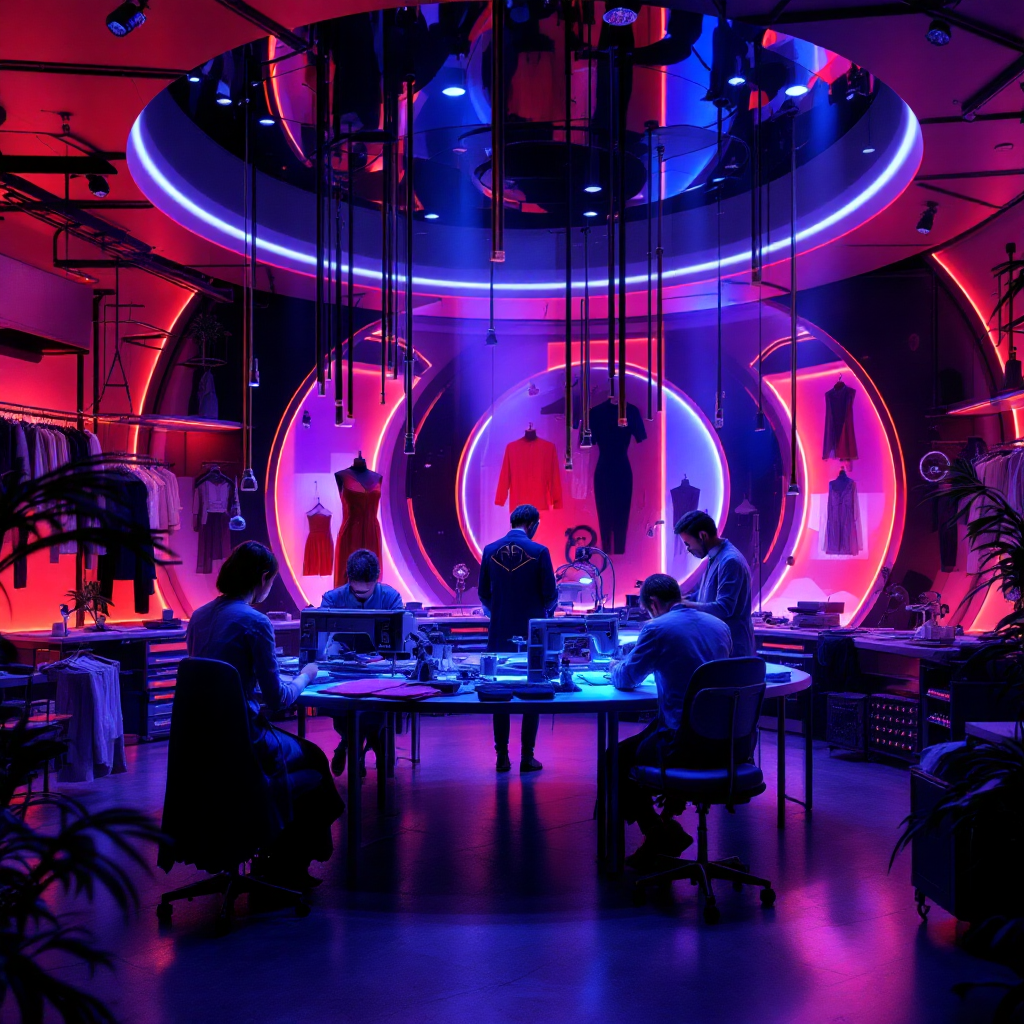
Cutting-Edge Eco-Materials Revolutionizing Fashion
Plant-Based Substitutes
Innovative plant-based leathers made from pineapples, apples, and mushrooms are effectively taking the place of conventional animal leather, providing similar durability with a far smaller environmental impact.
Regenerative and Recycled
The ecological footprint of the industry is being significantly reduced by organic cotton cultivated using regenerative agriculture techniques and recycled polyester made from plastic bottles.
Innovation of the Next Generation
Fall/Winter 2025/26 collections from major fashion companies are quickly embracing bio-based textiles and zero-waste pattern cutting procedures.

Customer Motivations: Going Beyond Cost to Goals
Look for Eco-Packaging
Customers aggressively seek out goods with transparent origin information and environmentally friendly packaging.
Sustainability of Value
Willing to spend more on eco-friendly clothing items
Leadership Across Generations
Younger generations, especially Gen Z and Millennials, are pushing industry-wide change by actively prioritizing ethical production practices and sustainable retail options.
Technology for Transparency
Customers can track their clothing’s whole path from farm to factory thanks to cutting-edge technologies like blockchain, guaranteeing authenticity and moral business practices.
Slow Fashion & Capsule Clothes: Prioritize Quality Over Quantity
Conscientious Investing
Customers are consciously moving away from rapid fashion and toward fewer, incredibly sturdy, classic pieces that go beyond fads.
Simplified Options
By streamlining choices and significantly lowering overconsumption, capsule outfits transform everyday choices and are in perfect harmony with environmentally conscientious ideals.
Moral Fashion
For ethical, fashionable wardrobe curation, top stylists actively support sustainable companies like Stella McCartney, Reformation, and Patagonia.

AI and Smart Textiles for Tech-Driven Sustainability
Optimization of AI
By optimizing demand forecasting and inventory management, advanced AI systems drastically reduce overproduction and waste across the supply chain.
Online Solutions
Virtual try-ons and tailored suggestions improve customers’ overall shopping experience while lowering product returns.
Intelligent Materials
Biodegradable textiles and creative 3D-printed on-demand clothing that reduces waste materials are examples of revolutionary smart textiles.
Encouraging Regional and Artisanal Producers
Value in Small Batches
Small-batch, handcrafted clothing that directly benefits local communities and conserves cultural heritage is becoming more and more popular among consumers.
Diminished Footprint
While maintaining age-old crafting methods that have been passed down through the centuries, local production dramatically lowers transportation emissions.
Emotional Bonding
By fostering stronger emotional ties between customers and their clothes, this movement turns clothing into treasured, important belongings.
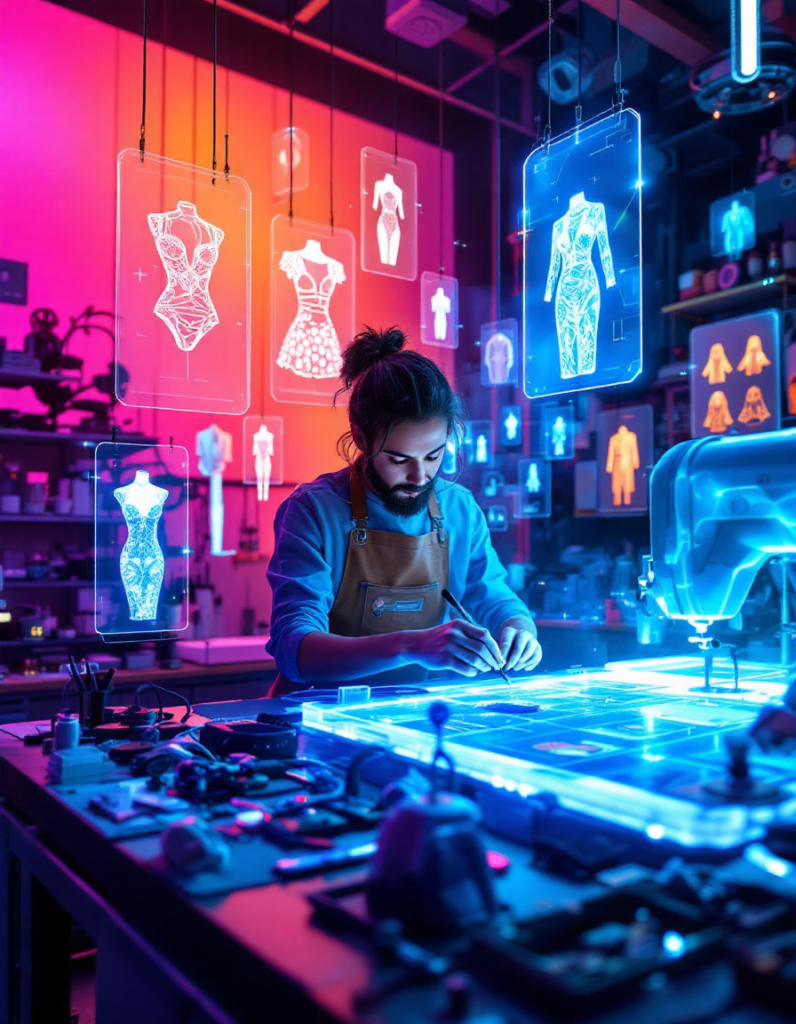
Encouraging Regional and Artisanal Producers
Value in Small Batches
Small-batch, handcrafted clothing that directly benefits local communities and conserves cultural heritage is becoming more and more popular among consumers.
Diminished Footprint
While maintaining age-old crafting methods that have been passed down through the centuries, local production dramatically lowers transportation emissions.
Emotional Bonding
By fostering stronger emotional ties between customers and their clothes, this movement turns clothing into treasured, important belongings.

In conclusion, green and conscious fashion is the way of the future.
The Mainstream Movement
Eco-aware consumers are no longer a niche market; rather, they are a powerful force that is changing the industry as a whole.
Fashion Driven by Values
Sustainable fashion creates true value that goes well beyond price tags by skillfully fusing flawless style, excellent quality, and strong ethics.
Group Transformation
Fashion can become a genuinely responsible, inspiring, and sustainable sector for future generations if ethical customers and creative brands work together.